Contact me.
info@99plussystem.com
Multi-site Hotel Chain Key Management: Central Cloud Key Cabinet System
Manage keys across your hotel chain with a central cloud key cabinet system. Track housekeeping, maintenance and contractor access from one dashboard, get audit-ready logs and set time-limited permissions. Request your hotel key management assessment today.
For a hotel chain with rooms across multiple locations, keys and access credentials move constantly between front desk staff, housekeeping teams, maintenance technicians and external contractors. A guest room key that works for one property cannot be assumed to work for another. When a room goes out of service, or a contractor finishes a job, the business needs to know exactly who holds each key and whether it has been returned.
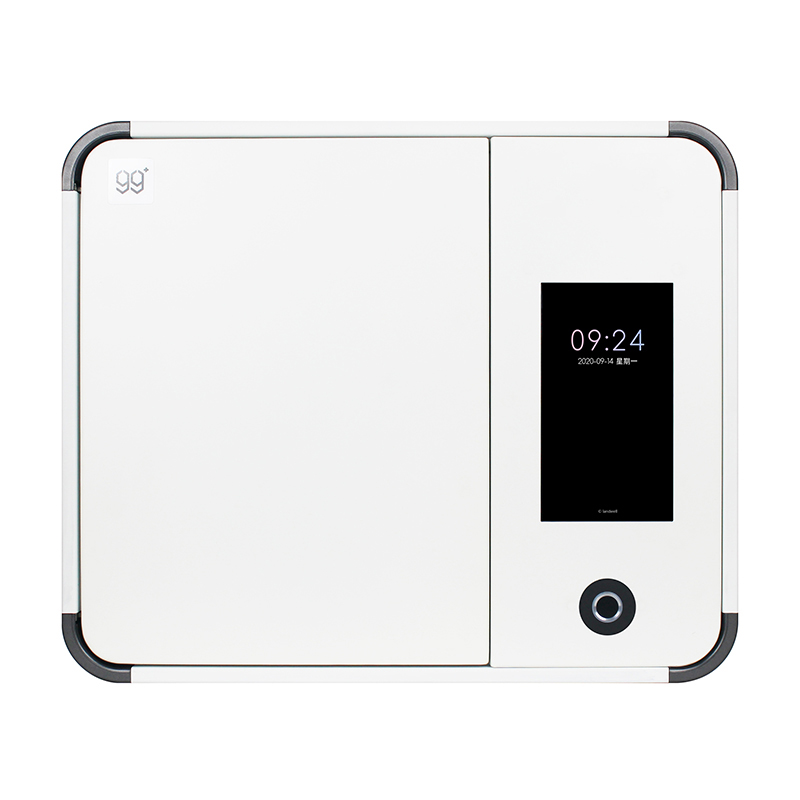
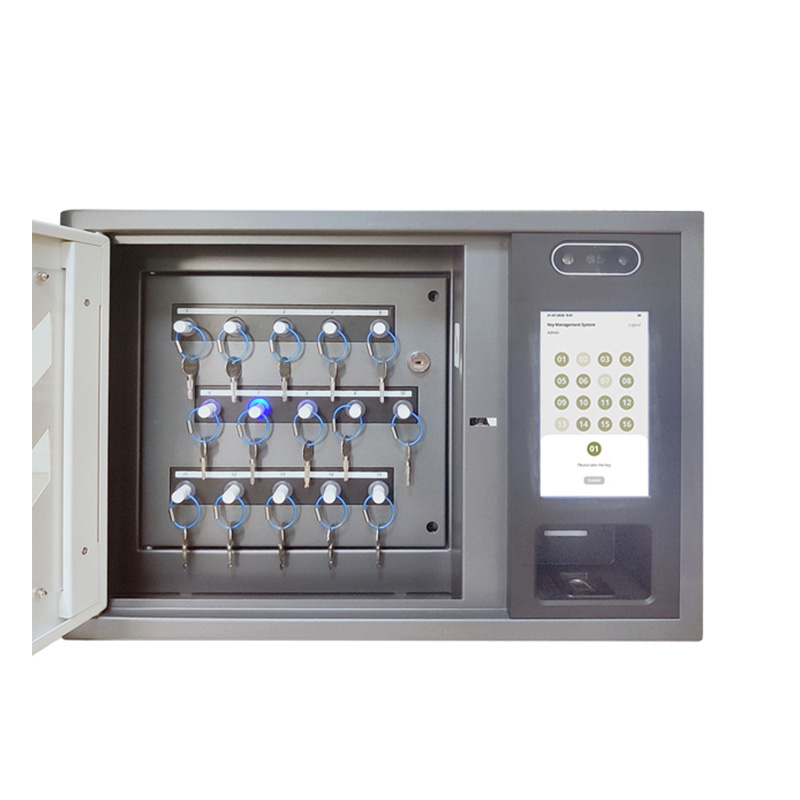
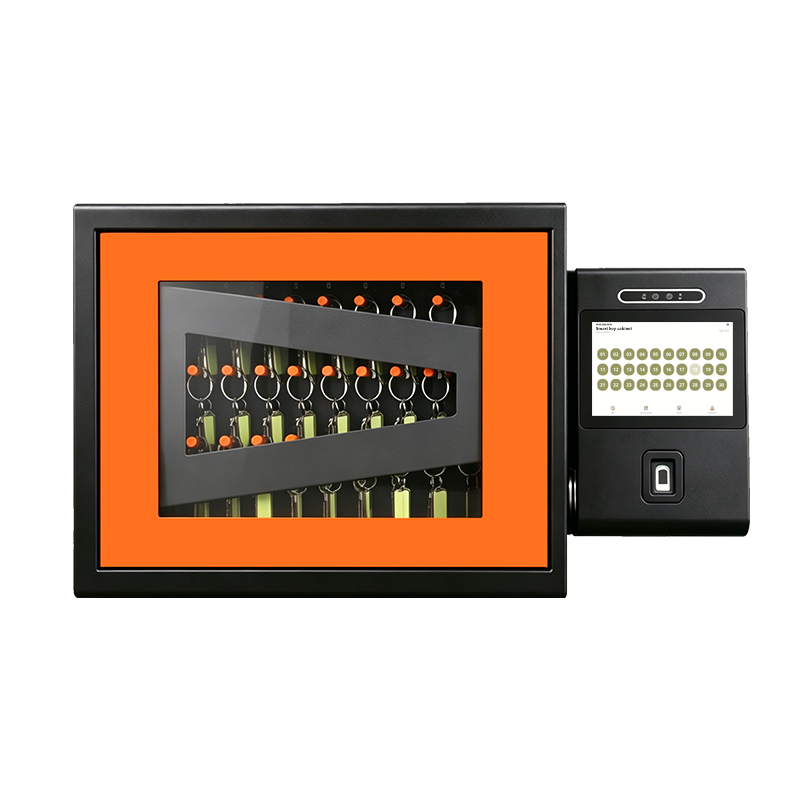
A central cloud key cabinet system brings this movement under control: each key is stored in a dedicated bay, released only after verified identity, with every checkout and return logged to a shared cloud dashboard. This guide walks through the real key control problems hotel chains face, how a multi-site cloud deployment solves them, and what a phased rollout looks like in practice.
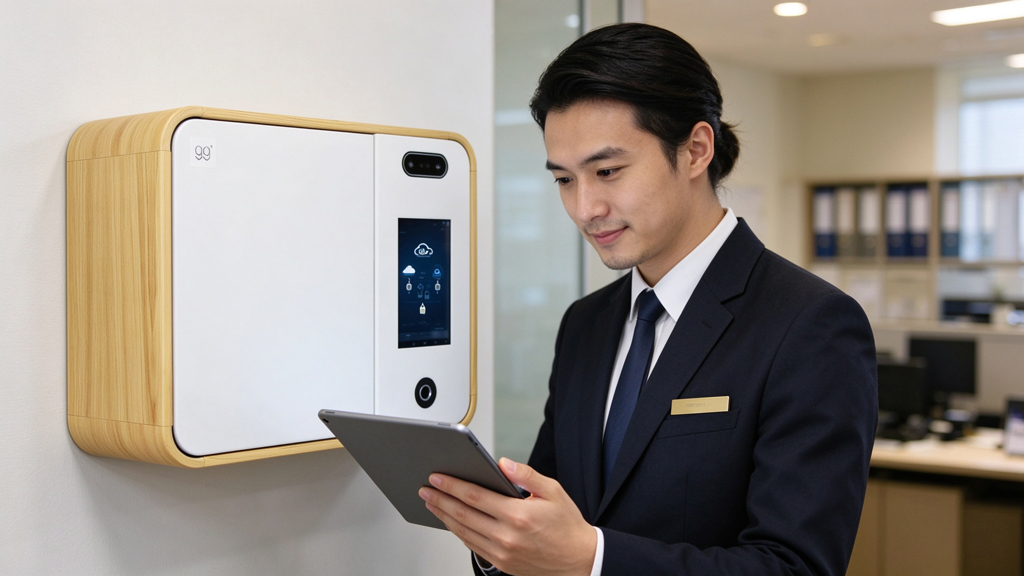
The Real Key Management Problems Hotel Chains Face
Each property maintains its own key records
A chain may have one key log at the front desk, another in the maintenance office, and a third stored only in a staff member’s memory. When a guest room key goes missing, management must call each location separately to find out who last checked it out. There is no single source of truth.
Housekeeping and maintenance share keys across shifts
Cleaning teams need access to guest rooms before check-in and after check-out. Maintenance staff may need the same rooms for repairs. Without clear handover records, a key can be marked “returned” while it is still in a technician’s pocket.
External contractors require time-limited access
Plumbers, electricians, IT contractors and auditors arrive for short jobs. Traditional key control issues them physical keys that may not be returned, and no central record survives of which rooms they entered or when their access should expire.
Audit and safety reviews need traceable records
Hotel businesses are subject to internal safety audits and, in many regions, regulatory inspections covering guest room and restricted-area access. Reconstructing who entered a room on which date usually means digging through paper logs and spreadsheets — exactly the gap electronic logging was built to close.
Why a Central Cloud System Fits Multi-site Chains
Hotel chains rarely manage all their properties from one physical office. A headquarters team may be in a different city or country from the locations they oversee. Local staff turnover also means new employees must learn key control procedures quickly.
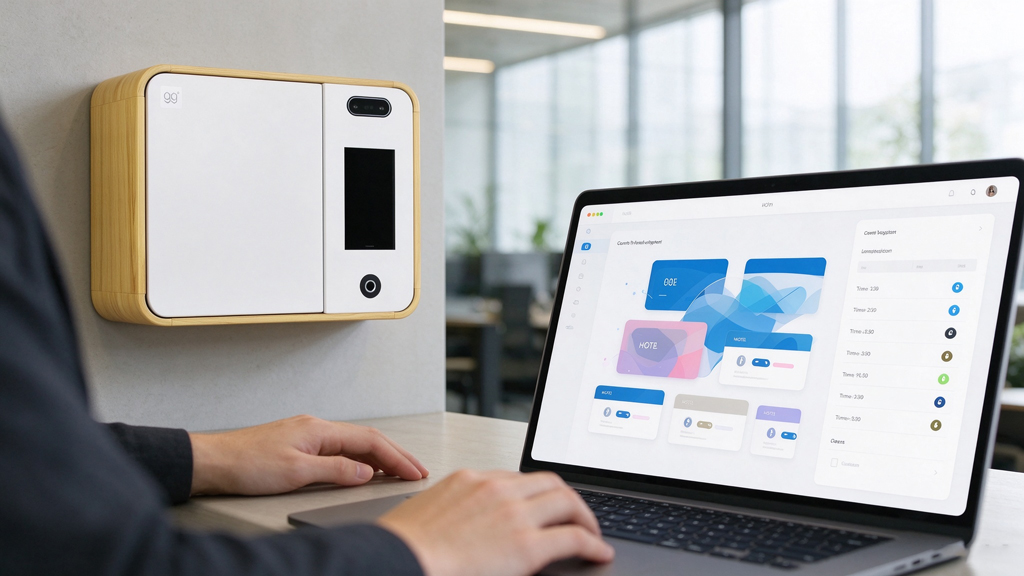
A central cloud system solves these problems in three ways:
One dashboard, many properties. All cabinets across the chain connect to the same web platform. Headquarters can view key status at every location without logging into separate systems.
Permissions by role and property. A housekeeper can access guest room keys at their assigned location, while a maintenance supervisor can reach keys at multiple sites if their role requires it. Access rules follow the person, not just the cabinet.
Phased rollout, not a full chain replacement. Start with one or two high-traffic properties. Once local teams are trained and the workflow is stable, extend the system to other locations on the same cloud account.
How a Cloud Key Cabinet System Works in Hotels
Identity verification before release. Staff and contractors authenticate with RFID badge, fingerprint or PIN before the assigned bay opens. Contractors receive time-limited credentials that expire after their job order ends.
RFID-tagged keys bound to dedicated bays. Every key carries an RFID tag locked to its slot. If a key is returned to the wrong bay, the cabinet rejects the return and shows an on-screen prompt. This prevents the mix-ups common with look-alike keys.
Cloud logging with timestamps. Each checkout and return is saved to the cloud platform with user identity, key or credential ID, time and location. Records are time-stamped and held in the system; there is no informal side-channel for a key to leave without a log entry.
Overdue and abnormal alerts. The platform flags a key not returned by its expected time, repeated failed authentication attempts, or a checkout outside working hours. Management can act early, instead of discovering the loss during a room audit.
Mobile access for on-site teams. The iOS and Android apps let front desk and maintenance staff check key status while moving through the property. Headquarters can also review logs remotely without waiting for a local report.
Open API integration. The cabinet system supports open API connection, so key access records can sync with existing hotel property management systems or CMMS workflows where the customer’s IT team chooses to integrate.
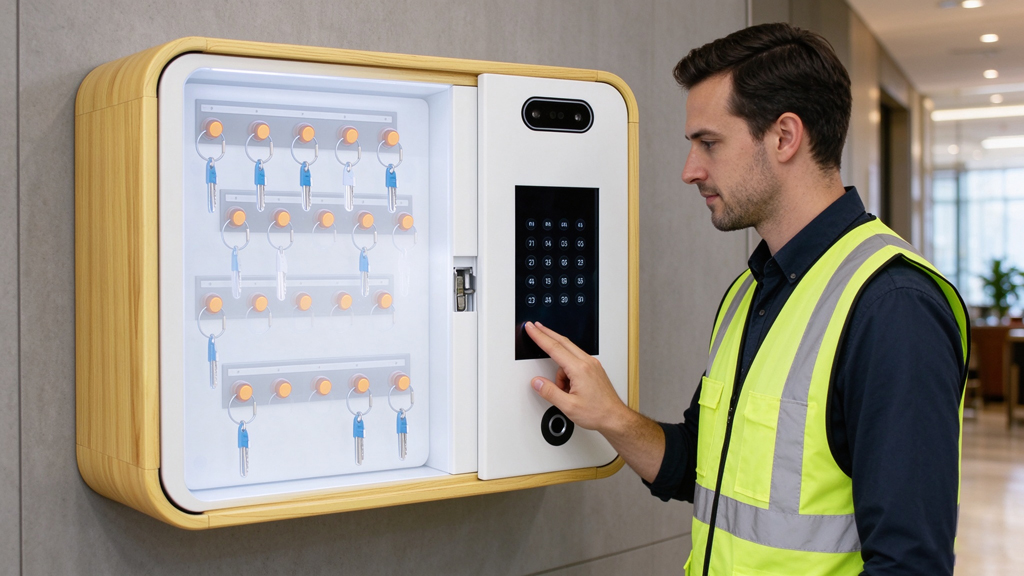
Typical Multi-site Deployment Setup
- Headquarters: Central dashboard for all properties, role management and audit log review.
- Property 1 — Pilot location: Front desk key cabinet and maintenance room cabinet, with local staff trained on checkout, return and contractor access procedures.
- Property 2 — Expansion location: Additional cabinet connected to the same cloud account, using the same permission structure and reporting format.
- Contractor access: Time-limited PIN or temporary badge credentials, valid only during the contracted visit window, with full checkout/return records.
What 99Plus Brings to Hotel Chain Rollouts
99Plus smart key cabinets are built for 24/7 hospitality environments:
- Multiple authentication modes: RFID badge, fingerprint, and PIN for tiered access by role and sensitivity
- Cloud web management platform plus iOS / Android mobile app for local and remote oversight
- RFID key tags with bay validation to prevent wrong returns
- Configurable overdue and abnormal access alerts
- Modular expandable bays, supporting a small pilot cabinet and later expansion
- Multi-language interface for international chains and mixed-language staff
- Open API for integration with existing hotel software
- ISO-certified manufacturing, 10+ years in the industry, deployments in 100+ countries, with global after-sales support
FAQ
Q: Can we start with one hotel and add more properties later? A: Yes. The modular design lets you begin with a pilot cabinet at one location, then add key modules or additional cabinets on the same cloud account. New units appear on your existing dashboard automatically.
Q: How are short-term contractors handled? A: Contractors receive time-limited credentials (temporary PIN or badge) valid only for their contracted visit window. The system logs their checkouts and returns, and access expires automatically when the job order ends.
Q: Does the cabinet work if the property network drops? A: The cabinet stores transactions locally when offline. Logs sync to the cloud automatically once the network connection recovers, so records are not lost during an outage.
Q: Can access rules differ between housekeeping and maintenance? A: Yes. Role-based permissions let you set different rules per staff group: housekeepers, maintenance technicians, front desk staff and contractors each see only the bays assigned to their role.
Q: Can key records connect to our existing hotel management software? A: We provide open API for integration. Your IT team can sync checkout and return records into existing property management or CMMS workflows.
Ready to Plan Your Hotel Chain’s Central Key Management System?
Decentralized key logs, shift handover gaps and untracked contractor access create efficiency problems and audit risks for hotel chains. A central cloud key cabinet system gives your business verified access, time-stamped records and alerts — starting with one property and expanding as your chain grows.
Contact the 99Plus hospitality solutions team to review your locations, current key inventory and deployment timeline. We will propose cabinet sizing per property and a phased rollout plan for your chain.